
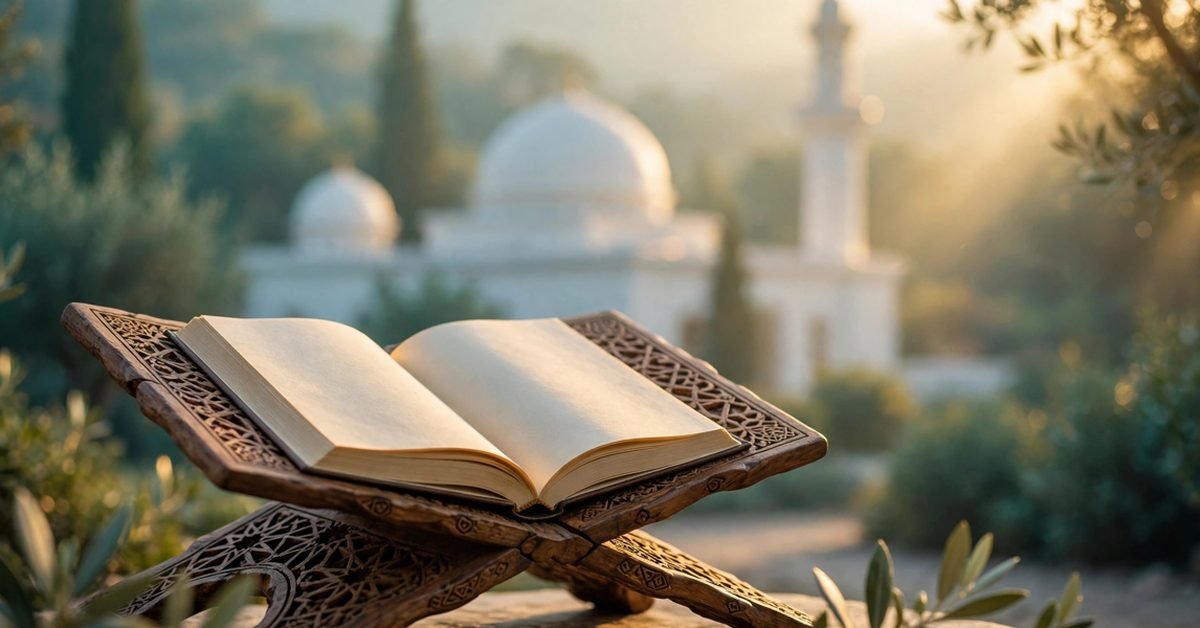
The benefits of Surah Al-Baqarah are unmatched anywhere else in the Quran. The Prophet ﷺ said this surah will plead for its readers on the Day of Resurrection, drive Shaytan from any home where it is recited, and bring blessing to whoever holds on to it — while its last two verses alone suffice whoever recites them at night. Below are six authentic benefits of Surah Al-Baqarah, each with its proof from the Quran and Sunnah, plus a simple plan to make it part of your week.
What Is Surah Al-Baqarah?
Surah Al-Baqarah is the second chapter of the Quran and its longest — 286 verses, revealed in Madinah after the Hijrah. It is named after the story of the cow told in verses 67–73, and it covers faith, worship, family law, finance and the stories of earlier nations. Allah opens it with a promise:
ذَٰلِكَ الْكِتَابُ لَا رَيْبَ فِيهِ هُدًى لِّلْمُتَّقِينَ
“Dhalikal-kitabu la rayba fihi, hudan lil-muttaqin.”
“This is the Book about which there is no doubt, a guidance for those conscious of Allah.” (Surah Al-Baqarah 2:2)
Every benefit below comes from an authentic narration — nothing here rests on a weak report or a popular claim.
1. It Will Plead for You on the Day of Resurrection
The Prophet ﷺ said:
اقْرَءُوا الْقُرْآنَ فَإِنَّهُ يَأْتِي يَوْمَ الْقِيَامَةِ شَفِيعًا لِأَصْحَابِهِ اقْرَءُوا الزَّهْرَاوَيْنِ الْبَقَرَةَ وَسُورَةَ آلِ عِمْرَانَ فَإِنَّهُمَا تَأْتِيَانِ يَوْمَ الْقِيَامَةِ كَأَنَّهُمَا غَمَامَتَانِ أَوْ كَأَنَّهُمَا غَيَايَتَانِ أَوْ كَأَنَّهُمَا فِرْقَانِ مِنْ طَيْرٍ صَوَافَّ تُحَاجَّانِ عَنْ أَصْحَابِهِمَا
“Iqra’ul-Qur’an, fa innahu ya’ti yawmal-qiyamati shafi’an li ashabihi. Iqra’uz-Zahrawayn, al-Baqarata wa Surata Ali ‘Imran, fa innahuma ta’tiyani yawmal-qiyamati ka annahuma ghamamatani, aw ka annahuma ghayayatani, aw ka annahuma firqani min tayrin sawaffa, tuhajjani ‘an ashabihima.”
“Recite the Quran, for on the Day of Resurrection it will come as an intercessor for those who recite it. Recite the two bright ones, al-Baqarah and Surah Aal-e-Imran, for on the Day of Resurrection they will come as two clouds, or two shades, or two flocks of birds in ranks, pleading for those who recite them.” (Sahih Muslim 804a)
Surah Al-Baqarah is named first, and it is named as an advocate — on the day when every person will need one. In another narration, the Prophet ﷺ said the Quran will be brought on that day “as will its people who used to act in accordance with it, led by Surat al-Baqarah and Aal-e-Imran” (Sahih Muslim 805). The intercession belongs to those who recite it and live by it.
2. It Protects Your Home from Shaytan
This is the benefit most families know by name:
لَا تَجْعَلُوا بُيُوتَكُمْ مَقَابِرَ إِنَّ الشَّيْطَانَ يَنْفِرُ مِنَ الْبَيْتِ الَّذِي تُقْرَأُ فِيهِ سُورَةُ الْبَقَرَةِ
“La taj’alu buyutakum maqabir, innash-Shaytana yanfiru minal-baytil-ladhi tuqra’u fihi Surat al-Baqarah.”
“Do not turn your houses into graves. Shaytan flees from the house in which Surah Al-Baqarah is recited.” (Sahih Muslim 780)
A grave is a place with no prayer and no Quran. The Prophet ﷺ compared a home without recitation to one — and promised the opposite for a home where this surah is heard. Playing a recitation in the house brings this blessing too, but reading it yourself, even a few pages aloud, is best.
3. Taking Hold of It Is a Blessing; Leaving It Is a Regret
In the same narration as the first benefit, the Prophet ﷺ said:
اقْرَءُوا سُورَةَ الْبَقَرَةِ فَإِنَّ أَخْذَهَا بَرَكَةٌ وَتَرْكَهَا حَسْرَةٌ وَلَا تَسْتَطِيعُهَا الْبَطَلَةُ
“Iqra’u Suratal-Baqarah, fa inna akhdhaha barakatun wa tarkaha hasratun, wa la tastati’uhal-batalah.”
“Recite Surah Al-Baqarah, for taking hold of it is a blessing, and abandoning it is a cause of regret, and the magicians cannot confront it.” (Sahih Muslim 804a)
Three promises in one sentence. Barakah — blessing — in time, wealth, family and peace of mind. Hasrah — regret — for the one who abandons it. And protection: those who practise magic cannot overcome a person who holds on to this surah. That is why scholars recommend Surah Al-Baqarah as part of ruqyah, the authentic protection from evil and black magic — not as a one-off ritual, but as a surah recited regularly in the home.
4. Its Last Two Verses Suffice You Every Night
The closing verses of Surah Al-Baqarah (2:285–286) carry a promise found nowhere else in the Quran. The Prophet ﷺ said:
مَنْ قَرَأَ بِالْآيَتَيْنِ مِنْ آخِرِ سُورَةِ الْبَقَرَةِ فِي لَيْلَةٍ كَفَتَاهُ
“Man qara’a bil-ayatayni min akhiri Suratil-Baqarati fi laylatin kafatahu.”
“Whoever recites the last two verses of Surah Al-Baqarah at night, they will suffice him.” (Sahih al-Bukhari 5009; Sahih Muslim 807)
Scholars explain “suffice him” as protection through the night and reward equal to part of the night prayer. These verses were a gift given to the Prophet ﷺ on the Night Journey itself — along with the five daily prayers (Sahih Muslim 173). Learn them by heart:
آمَنَ الرَّسُولُ بِمَا أُنزِلَ إِلَيْهِ مِن رَّبِّهِ وَالْمُؤْمِنُونَ ۚ كُلٌّ آمَنَ بِاللَّهِ وَمَلَائِكَتِهِ وَكُتُبِهِ وَرُسُلِهِ لَا نُفَرِّقُ بَيْنَ أَحَدٍ مِّن رُّسُلِهِ ۚ وَقَالُوا سَمِعْنَا وَأَطَعْنَا ۖ غُفْرَانَكَ رَبَّنَا وَإِلَيْكَ الْمَصِيرُ
“Amanar-rasulu bima unzila ilayhi min rabbihi wal-mu’minun. Kullun amana billahi wa mala’ikatihi wa kutubihi wa rusulihi, la nufarriqu bayna ahadin min rusulihi, wa qalu sami’na wa ata’na, ghufranaka rabbana wa ilaykal-masir.”
“The Messenger has believed in what was revealed to him from his Lord, and [so have] the believers. All of them have believed in Allah and His angels and His books and His messengers, [saying], ‘We make no distinction between any of His messengers.’ And they say, ‘We hear and we obey. [We seek] Your forgiveness, our Lord, and to You is the [final] destination.” (Surah Al-Baqarah 2:285)
لَا يُكَلِّفُ اللَّهُ نَفْسًا إِلَّا وُسْعَهَا ۚ لَهَا مَا كَسَبَتْ وَعَلَيْهَا مَا اكْتَسَبَتْ ۗ رَبَّنَا لَا تُؤَاخِذْنَا إِن نَّسِينَا أَوْ أَخْطَأْنَا ۚ رَبَّنَا وَلَا تَحْمِلْ عَلَيْنَا إِصْرًا كَمَا حَمَلْتَهُ عَلَى الَّذِينَ مِن قَبْلِنَا ۚ رَبَّنَا وَلَا تُحَمِّلْنَا مَا لَا طَاقَةَ لَنَا بِهِ ۖ وَاعْفُ عَنَّا وَاغْفِرْ لَنَا وَارْحَمْنَا ۚ أَنتَ مَوْلَانَا فَانصُرْنَا عَلَى الْقَوْمِ الْكَافِرِينَ
“La yukallifullahu nafsan illa wus’aha, laha ma kasabat wa ‘alayha maktasabat. Rabbana la tu’akhidhna in nasina aw akhta’na. Rabbana wa la tahmil ‘alayna isran kama hamaltahu ‘alal-ladhina min qablina. Rabbana wa la tuhammilna ma la taqata lana bihi, wa’fu ‘anna, waghfir lana, warhamna, anta mawlana fansurna ‘alal-qawmil-kafirin.”
“Allah does not charge a soul except [with that within] its capacity. It will have [the consequence of] what [good] it has gained, and it will bear [the consequence of] what [evil] it has earned. ‘Our Lord, do not impose blame upon us if we have forgotten or erred. Our Lord, and lay not upon us a burden like that which You laid upon those before us. Our Lord, and burden us not with that which we have no ability to bear. And pardon us; and forgive us; and have mercy upon us. You are our protector, so give us victory over the disbelieving people.’” (Surah Al-Baqarah 2:286)
Make them the last thing you recite before sleep.
5. It Holds the Greatest Verse in the Quran
Inside Surah Al-Baqarah sits Ayatul Kursi (2:255), which the Prophet ﷺ called the greatest verse in the Book of Allah (Sahih Muslim 810). Its benefits, the best times to read it, and how to memorise it all deserve their own attention — but the point stands: the longest surah in the Quran contains its greatest verse. That alone is reason to keep returning to it.
6. It Trains You to Read — and Live — the Whole Quran
Few people read Surah Al-Baqarah right through, yet it teaches a Muslim how to live: the story of Adam, the laws of fasting, charity, marriage and debts, the verse of the Throne, and the closing duas of a believer who knows his own weakness. At 286 verses it takes a fluent reader about an hour — and that length is the point. Whoever finishes it regularly builds the habit of long, patient recitation, and ten verses a day with their meaning turns the surah into a weekly lesson in how Allah wants us to live.
How to Make Surah Al-Baqarah Part of Your Week
- Tonight: memorise the last two verses (2:285–286) and recite them before sleep — that alone carries the promise of Sahih al-Bukhari 5009.
- Daily: read or listen to a few pages after Fajr or before bed; at seven pages a day, a fluent reader finishes the surah in about a week.
- Weekly: play the full surah in your home once a week, ideally on Friday, so the house is filled with its recitation.
- With family: teach your children the last two verses first — children who read fluently usually learn them within one or two weeks.
- With understanding: read the translation of ten verses a day; the surah’s guidance only changes you when you know what it says.
Two Mistakes to Avoid
Fixed “40-day” programmes. You will see claims that reciting Surah Al-Baqarah for exactly 40 days brings a specific result. No authentic narration fixes a number of days or promises a specific worldly outcome. The Sunnah encourages regular recitation — not counted programmes. Keep it simple and keep it going.
Recitation without action. The intercession in Sahih Muslim 805 belongs to “its people who used to act in accordance with it.” Surah Al-Baqarah teaches honesty in trade, kindness to parents, patience in hardship and trust in Allah. A surah recited daily but never practised is a blessing left half-open.
FAQs
What are the benefits of reading Surah Al-Baqarah daily?
The Prophet ﷺ promised that it will plead for its readers on the Day of Resurrection (Sahih Muslim 804a), that Shaytan flees from the home where it is recited (Sahih Muslim 780), and that taking hold of it is a blessing while abandoning it is a regret (Sahih Muslim 804a). Its last two verses suffice whoever recites them at night (Sahih al-Bukhari 5009).
Can I listen to Surah Al-Baqarah instead of reading it?
Yes — listening brings reward, and scholars say playing it in the home brings the blessing of the house being filled with its recitation. Reading it yourself is better, especially aloud, but listening while driving or working is a real and valuable habit.
What are the last two verses of Surah Al-Baqarah?
Verses 285 and 286, beginning “Amanar-rasul…” — “The Messenger has believed in what was revealed to him from his Lord.” The Prophet ﷺ said whoever recites them at night, they will suffice him (Sahih al-Bukhari 5009).
Does Surah Al-Baqarah protect from black magic?
The Prophet ﷺ said of this surah, “the magicians cannot confront it” (Sahih Muslim 804a). Scholars recommend regular recitation of Surah Al-Baqarah as part of authentic ruqyah and protection — as a steady habit, not a one-off ritual or a counted number of days.
How do I start if I cannot read Arabic fluently?
Start by listening and following along in the mushaf, learn the last two verses by heart first, and take lessons with a qualified teacher who can correct your recitation. Fluency comes faster than most people expect when a little is done every day.
If you would like your children to learn the Quran with qualified teachers from home, book a free trial class at Noor Academy Pakistan — visit nooracademypakistan.com or message us on WhatsApp at +92 346-1870-400.
Leave a Reply