
Category: Uncategorized

  • How to Pray Salat al-Istikhara: A Step-by-Step Guide

    How to Pray Salat al-Istikhara: A Step-by-Step Guide

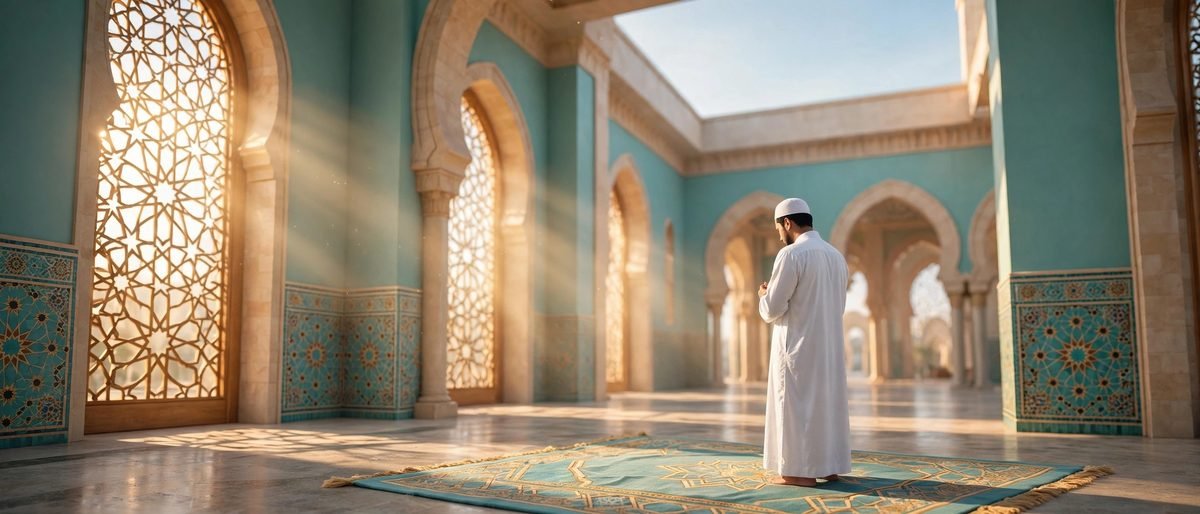
    A job offer, a marriage proposal, a move to a new city, a new business — when a decision is permissible but you genuinely do not know which way is best, Islam gives you a prayer for exactly that moment: Salat al-Istikhara. You pray two rak’ahs, recite a dua asking Allah to choose what is good for you, and then move forward. This guide shows you how to pray istikhara step by step, with the full dua in Arabic, transliteration and translation.

    What Is Istikhara?

    Istikhara means “seeking what is best” — asking Allah, who knows the unseen, to guide you to the choice that is good for your religion, your livelihood and your Hereafter. Jabir ibn ‘Abdullah (may Allah be pleased with him) said that the Prophet ﷺ used to teach his companions istikhara in all matters, just as carefully as he taught them a surah of the Quran:

    كَانَ رَسُولُ اللَّهِ صَلَّى اللَّهُ عَلَيْهِ وَسَلَّمَ يُعَلِّمُنَا الِاسْتِخَارَةَ فِي الْأُمُورِ كُلِّهَا كَمَا يُعَلِّمُنَا السُّورَةَ مِنَ الْقُرْآنِ

    “Kāna Rasūlullāhi ṣallallāhu ‘alayhi wa sallama yu’allimunā al-istikhārata fī al-umūri kullihā kamā yu’allimunā as-sūrata min al-Qur’ān.”

    “The Messenger of Allah ﷺ used to teach us istikhara in all matters, just as he used to teach us a surah of the Quran.” (Sahih al-Bukhari 1162; also numbered 6382 in the Book of Invocations)

    When Should You Pray Istikhara?

    Pray istikhara when you face a permissible matter and are unsure which option is better: a marriage proposal, a job offer, a move, a business decision, a course of study. You do not pray it about obligations, like salah, or forbidden things — those decisions are already made by Allah’s command. Istikhara is for the open questions in between, where both options are allowed.

    Allah explains why we need it:

    وَعَسَىٰ أَن تَكْرَهُوا شَيْئًا وَهُوَ خَيْرٌ لَّكُمْ ۖ وَعَسَىٰ أَن تُحِبُّوا شَيْئًا وَهُوَ شَرٌّ لَّكُمْ ۗ وَاللَّهُ يَعْلَمُ وَأَنتُمْ لَا تَعْلَمُونَ

    “Wa ‘asā an takrahū shay’an wa huwa khayrun lakum, wa ‘asā an tuḥibbū shay’an wa huwa sharrun lakum, wallāhu ya’lamu wa antum lā ta’lamūn.”

    “But perhaps you hate a thing and it is good for you; and perhaps you love a thing and it is bad for you. And Allah knows, while you know not.” (Surah Al-Baqarah 2:216)

    How to Pray Istikhara Step by Step

    Step 1: Make wudu and form your intention. Perform wudu as usual and intend in your heart that you are praying two rak’ahs of istikhara. Have the decision clearly in mind.

    Step 2: Pray two rak’ahs of nafl prayer. Pray two rak’ahs that are not part of an obligatory prayer. In each rak’ah, recite Surah Al-Fatihah followed by any surah you know. There is no fixed surah required for istikhara.

    Step 3: Recite the dua of istikhara. After the salam, recite the dua below with sincerity and focus. At the words “this matter”, name your need — in your heart or in words, in Arabic or in your own language. The hadith itself instructs: “let him name his need.”

    Step 4: Do your homework and consult trustworthy people. Istikhara does not replace effort. Research the options and ask people of knowledge and experience. Allah commands consultation alongside reliance on Him:

    وَشَاوِرْهُمْ فِي الْأَمْرِ ۖ فَإِذَا عَزَمْتَ فَتَوَكَّلْ عَلَى اللَّهِ ۚ إِنَّ اللَّهَ يُحِبُّ الْمُتَوَكِّلِينَ

    “Wa shāwirhum fī al-amr, fa-idhā ‘azamta fa-tawakkal ‘alallāh, innallāha yuḥibbu al-mutawakkilīn.”

    “…and consult them in the matter. And when you have decided, then rely upon Allah. Indeed, Allah loves those who rely [upon Him].” (Surah Aal-e-Imran 3:159)

    Step 5: Move forward and watch how things unfold. After istikhara, proceed with the decision. If it is good for you, Allah will make it easy and bless it; if not, doors will close or your heart will turn from it. That ease — or that closing of doors — is itself the answer. You may repeat istikhara on another occasion if still unsure.

    You can pray istikhara at any time except the three times when nafl prayer is disliked: after Fajr until the sun has risen, at midday when the sun is at its zenith, and after ‘Asr until sunset.

    The Dua of Istikhara

    اللَّهُمَّ إِنِّي أَسْتَخِيرُكَ بِعِلْمِكَ، وَأَسْتَقْدِرُكَ بِقُدْرَتِكَ، وَأَسْأَلُكَ مِنْ فَضْلِكَ الْعَظِيمِ، فَإِنَّكَ تَقْدِرُ وَلَا أَقْدِرُ، وَتَعْلَمُ وَلَا أَعْلَمُ، وَأَنْتَ عَلَّامُ الْغُيُوبِ، اللَّهُمَّ إِنْ كُنْتَ تَعْلَمُ أَنَّ هَذَا الْأَمْرَ خَيْرٌ لِي فِي دِينِي وَمَعَاشِي وَعَاقِبَةِ أَمْرِي، فَاقْدُرْهُ لِي وَيَسِّرْهُ لِي ثُمَّ بَارِكْ لِي فِيهِ، وَإِنْ كُنْتَ تَعْلَمُ أَنَّ هَذَا الْأَمْرَ شَرٌّ لِي فِي دِينِي وَمَعَاشِي وَعَاقِبَةِ أَمْرِي، فَاصْرِفْهُ عَنِّي وَاصْرِفْنِي عَنْهُ وَاقْدُرْ لِيَ الْخَيْرَ حَيْثُ كَانَ ثُمَّ أَرْضِنِي بِهِ

    “Allāhumma innī astakhīruka bi-‘ilmika, wa astaqdiruka bi-qudratika, wa as’aluka min faḍlika al-‘aẓīm, fa-innaka taqdiru wa lā aqdiru, wa ta’lamu wa lā a’lamu, wa anta ‘allām al-ghuyūb. Allāhumma in kunta ta’lamu anna hādha al-amra khayrun lī fī dīnī wa ma’āshī wa ‘āqibati amrī, faqdurhu lī wa yassirhu lī thumma bārik lī fīh. Wa in kunta ta’lamu anna hādha al-amra sharrun lī fī dīnī wa ma’āshī wa ‘āqibati amrī, faṣrifhu ‘annī waṣrifnī ‘anhu, waqdur liya al-khayra ḥaythu kāna thumma arḍinī bih.”

    “O Allah, I seek Your choice through Your knowledge, and I seek ability through Your power, and I ask You of Your great bounty. For You have power and I do not; You know and I do not; and You are the Knower of the unseen. O Allah, if You know that this matter is good for me in my religion, my livelihood and the outcome of my affairs, then decree it for me, make it easy for me, and bless it for me. And if You know that this matter is bad for me in my religion, my livelihood and the outcome of my affairs, then turn it away from me and turn me away from it, and decree for me what is good wherever it may be, and make me content with it.” (Sahih al-Bukhari 1162)

    Common Mistakes to Avoid

    Waiting for a dream. The hadith mentions no dream, no colour, no sign in sleep. The answer shows in how events unfold and where your heart settles.

    Treating it like fortune-telling. Istikhara is a prayer of trust, not a peek into the future.

    Skipping research and advice. Praying and then ignoring all practical information is not reliance — it is negligence. Prayer and homework go together.

    Praying about the wrong things. Istikhara is not for choosing between right and wrong. It is for permissible matters where you need guidance between good options.

    Frequently Asked Questions

    Do I have to see a dream after istikhara?
    No. Nothing in the hadith mentions a dream. Go by ease, obstacles and the settling of your heart after praying and consulting.

    Can I pray istikhara for someone else’s decision?
    Istikhara is prayed by the person facing the decision. You can make general dua for others, but the two rak’ahs belong to the decision-maker.

    What if I do not know the dua by heart?
    You may read it from a book, card or phone until you memorise it. Learn the meaning alongside the words.

    When is the best time to pray istikhara?
    Any time outside the three disliked times for nafl prayer; night-time is peaceful but not required.

    How many times should I repeat istikhara?
    As often as you need. If still undecided, pray again on another occasion while continuing to consult and reflect.

    Does istikhara replace research and advice?
    No. The Quran pairs consultation with reliance on Allah (3:159). Pray, investigate, ask trustworthy people — then decide and trust the result to Allah.

    Start Today

    The next time a decision weighs on you, do not carry it alone. Make wudu, pray two rak’ahs, recite the dua, and take your next step with a calm heart, knowing you have asked the Best of planners to choose for you.

    If you would like your children to learn prayers like istikhara alongside the Quran itself, book a free trial class with Noor Academy Pakistan — our qualified teachers teach Quran, Tajweed and Islamic basics online, at a time that suits your family, In sha Allah.

  • How to Calculate Zakat: A Beginner’s Step-by-Step Guide

    How to Calculate Zakat: A Beginner’s Step-by-Step Guide

    Zakat is 2.5% of your zakatable wealth, paid once a lunar year when your wealth reaches the nisab threshold. To calculate it: add up your cash, savings, gold, silver and trade goods, subtract debts due now, check the total is at or above nisab, and pay 2.5% of it to one of the eight groups named in the Quran. This guide walks you through each step, so you can work out your zakat with confidence.

    What Is Zakat?

    Zakat is the third pillar of Islam — an obligatory yearly charity on surplus wealth, not a voluntary donation. The Prophet ﷺ said:

    بُنِيَ الْإِسْلَامُ عَلَى خَمْسٍ ، شَهَادَةِ أَنْ لَا إِلَهَ إِلَّا اللَّهُ وَأَنَّ مُحَمَّدًا رَسُولُ اللَّهِ ، وَإِقَامِ الصَّلَاةِ ، وَإِيتَاءِ الزَّكَاةِ ، وَالْحَجِّ ، وَصَوْمِ رَمَضَانَ

    “Buniyal-Islāmu ‘alā khamsin: shahādati an lā ilāha illallāh wa anna Muḥammadan Rasūlullāh, wa iqāmiṣ-ṣalāh, wa ītā’iz-zakāh, wal-ḥajj, wa ṣawmi Ramaḍān.”

    “Islam is based on (the following) five (principles): to testify that none has the right to be worshipped but Allah and Muhammad is Allah’s Messenger; to offer the (compulsory congregational) prayers dutifully and perfectly; to pay Zakat (i.e. obligatory charity); to perform Hajj; to observe fast during the month of Ramadan.” (Sahih al-Bukhari 8)

    Allah links zakat with prayer again and again in the Quran:

    وَأَقِيمُوا الصَّلَاةَ وَآتُوا الزَّكَاةَ وَارْكَعُوا مَعَ الرَّاكِعِينَ

    “Wa aqīmūṣ-ṣalāta wa ātūz-zakāta warka’ū ma’ar-rāki’īn.”

    “And establish prayer and give zakat and bow with those who bow [in worship and obedience].” (Surah Al-Baqarah 2:43)

    The word zakat itself means purification and growth: by giving a small, fixed share, a Muslim purifies the rest of his wealth and shares it with those who need it most.

    Who Must Pay Zakat?

    Zakat is obligatory on a Muslim who is sane, adult, and owns zakatable wealth that reaches the nisab and has been held for one lunar year (hawl). You do not pay zakat on your home, the car you use, your clothes, or household furniture — only on wealth that can grow or be spent, such as cash, savings, gold, silver, trade stock and investments held for profit.

    Step 1: Understand Nisab and Hawl

    Nisab is the minimum amount that makes zakat due: the value of 85 grams of gold or 595 grams of silver. Because gold and silver prices change, the cash value of nisab changes too, so check the current price on the day your zakat falls due. If unsure which nisab to use for cash, ask a trusted local scholar.

    Hawl is one lunar year (about 354 days) of owning wealth at or above nisab. Pick one date each year — many people choose Ramadan — and calculate on that same date every year. Wealth that comes in during the year is added to the total on your zakat date.

    Step 2: Add Up Your Zakatable Wealth

    On your zakat date, list everything that counts: cash in hand and in bank accounts; savings, including money set aside for a future purchase; gold and silver at their current market value; trade goods and business stock at their selling value; shares and investments held for profit, and money others owe you that you expect to receive; and rental income or business profits saved up. Add them all together — this is your gross zakatable wealth.

    Step 3: Subtract Debts Due Now, Then Calculate 2.5%

    Subtract debts and bills due immediately, such as a loan instalment due this month. Do not subtract a whole long-term loan — only the amount due within the coming year, according to most scholars. The result is your net zakatable wealth.

    If it is below nisab, no zakat is due this year — though voluntary sadaqah is always rewarded. If it is at or above nisab, multiply it by 2.5% (or divide by 40). For example, on $10,000 of net zakatable wealth, zakat is $10,000 × 2.5% = $250. That is all: one-fortieth of your surplus wealth, once a year.

    Step 4: Give It to the Right People

    Zakat cannot be given to just anyone. Allah names eight groups in the Quran:

    إِنَّمَا الصَّدَقَاتُ لِلْفُقَرَاءِ وَالْمَسَاكِينِ وَالْعَامِلِينَ عَلَيْهَا وَالْمُؤَلَّفَةِ قُلُوبُهُمْ وَفِي الرِّقَابِ وَالْغَارِمِينَ وَفِي سَبِيلِ اللَّهِ وَابْنِ السَّبِيلِ ۖ فَرِيضَةً مِّنَ اللَّهِ ۗ وَاللَّهُ عَلِيمٌ حَكِيمٌ

    “Innamaṣ-ṣadaqātu lil-fuqarā’i wal-masākīni wal-‘āmilīna ‘alayhā wal-mu’allafati qulūbuhum wa fir-riqābi wal-ghārimīna wa fī sabīlillāhi wabniṣ-ṣabīl, farīḍatam-minallāh, wallāhu ‘alīmun ḥakīm.”

    “Zakah expenditures are only for the poor and for the needy and for those employed for it and for bringing hearts together [for Islam] and for freeing captives [or slaves] and for those in debt and for the cause of Allah and for the [stranded] traveller — an obligation [imposed] by Allah. And Allah is Knowing and Wise.” (Surah At-Tawbah 9:60)

    In practice, most people give to the poor and needy, to people in genuine debt, or to a trusted charity that distributes to these groups. Zakat is not given to your parents, children or spouse, nor to a wealthy person, nor to build a mosque — that is sadaqah, not zakat.

    Common Mistakes to Avoid

    Forgetting gold and silver. Cash is easy to count; jewellery and coins in a drawer are easy to miss. Include them at today’s value.

    Using the Gregorian year. Zakat follows the lunar year, about eleven days shorter, so keep the same Hijri date each year.

    Delaying payment. Once your zakat date arrives and the amount is worked out, pay it without delay.

    Confusing zakat with sadaqah. Sadaqah is voluntary and can go anywhere; zakat is fixed, yearly, and restricted to the eight groups above.

    Frequently Asked Questions

    Do I pay zakat on my salary? Not on salary itself, but on what remains of it — savings, cash and investments — once it reaches nisab and a lunar year passes.

    Do I pay zakat on my house or car? No, if they are for your own use. Only property bought to sell for profit counts as trade goods.

    What if my wealth dips below nisab during the year? Then the hawl restarts when it reaches nisab again. If it stays above nisab all year, zakat is due on your zakat date even if the amount fluctuated.

    Can I pay zakat in instalments? Yes, in advance or in parts during the year, as long as the full amount reaches eligible recipients by your zakat date.

    Is Zakat al-Fitr the same as zakat? No. Zakat al-Fitr is a separate, small charity paid before Eid al-Fitr for every household member, while zakat on wealth is the yearly 2.5% described here.

    What if I cannot work out the exact amount? Estimate carefully and slightly over rather than under, keep a simple record, and ask a knowledgeable scholar about anything complex, such as business stock or mixed investments.

    Start Today

    Zakat is simpler than it first looks: know your date, add up your wealth, subtract what you owe, check nisab, and give 2.5% to those Allah named.

    If you would like your children to grow up understanding pillars like zakat alongside the Quran itself, book a free trial class with Noor Academy Pakistan — our qualified teachers teach Quran, Tajweed and Islamic basics online, at a time that suits your family, In sha Allah.

  • How to Perform Ghusl Correctly: A Step-by-Step Guide

    How to Perform Ghusl Correctly: A Step-by-Step Guide

    Ghusl is the full ritual bath that restores a Muslim to a state of purity after major impurity. This guide explains how to perform ghusl correctly: make the intention in your heart, wash the hands and private parts, perform wudu, pour water over the head three times, then wash the whole body so no spot remains dry. Done this way it takes only a few minutes — even under an ordinary shower — and afterwards you may pray, touch the Quran, and fast without any doubt.

    What Is Ghusl?

    Wudu washes specific parts of the body for prayer; ghusl washes the entire body. It lifts the state of major ritual impurity (janabah) that follows marital relations or a wet dream, and it is also required after menstruation and postnatal bleeding end. Allah commands this purification in the Quran:

    وَإِن كُنتُمْ جُنُبًا فَاطَّهَّرُوا

    “Wa in kuntum junuban faṭṭahharū.”

    “And if you are in a state of janabah, then purify yourselves.” (Surah Al-Ma’idah 5:6)

    Ghusl is not about soap, shampoo, or scrubbing hard. Its essence is simple: intention plus water reaching every part of the body.

    When Is Ghusl Required?

    Ghusl becomes obligatory in these situations:

    • Janabah — after marital relations, or after a wet dream in which fluid is discharged.
    • After menstruation ends — before resuming prayer and fasting.
    • After postnatal bleeding (nifas) ends — when the bleeding stops, within a maximum of forty days.

    Ghusl is also recommended before Friday and Eid prayers, and for a person newly embracing Islam. The simple rule: if major impurity has occurred, perform ghusl before your next prayer.

    How to Perform Ghusl: The Sunnah Method, Step by Step

    ‘Aishah (may Allah be pleased with her) described how the Prophet ﷺ performed ghusl:

    “Whenever the Prophet ﷺ took a bath after janabah, he started by washing his hands and then performed ablution like that for the prayer. After that he would put his fingers in water and move the roots of his hair with them, and then pour three handfuls of water over his head and then pour water all over his body.” (Sahih al-Bukhari 248)

    Another narration from Maymunah (may Allah be pleased with her) adds that he washed off any impurity, performed wudu but delayed washing his feet, and washed them at the end after stepping aside (Sahih al-Bukhari 249). Together, the narrations give the complete Sunnah method:

    1. Make the intention. Intention is in the heart — simply intend that this bath is ghusl for purification. No words need to be spoken aloud.

    2. Say “Bismillah” and wash your hands up to the wrists, three times if easy.

    3. Wash the private parts and remove any impurity, then wash your hands again.

    4. Perform wudu. Do a complete wudu as for prayer, including rinsing the mouth and nose. If water collects around your feet, you may wash the feet at the end, following Maymunah’s narration — or with the wudu. Both ways are reported.

    5. Wet the roots of your hair. Dip your fingers in water and run them through your hair so the water reaches the scalp.

    6. Pour water over your head three times. Three handfuls, or three pours under the shower, making sure the water reaches the scalp all over.

    7. Wash the whole body. Pour water over the rest of your body, right side then left, rubbing it over your skin. Check the places people commonly miss: inside the navel, behind the ears, between the toes, under the arms, and skin folds. Under a shower, simply stand under the water and rub it over your whole body from head to toe.

    The Obligatory Minimum

    If you are short on time, remember what is strictly required: the intention, and water reaching the entire body, including the hair. A thorough shower done with the intention of ghusl fulfils the obligation. Scholars differ on whether rinsing the mouth and nose is obligatory or Sunnah in ghusl; since the Sunnah method includes them, never skip them deliberately and you cover every view.

    Ghusl for Women: Do Braids Need Undoing?

    No — provided the water reaches the roots of the hair. Umm Salamah (may Allah be pleased with her) asked the Prophet ﷺ about her tightly plaited hair, and he replied:

    “No, it is enough for you to throw three handfuls of water on your head and then pour water over yourself, and you shall be purified.” (Sahih Muslim 330a)

    So a woman with braids does not have to undo them for ghusl, as long as she pours water over her head three times and makes sure it reaches the scalp. The same applies after menstruation and postnatal bleeding.

    Common Mistakes to Avoid

    Leaving a spot dry. The most common mistake is rushing and missing a patch of skin. Rub the water over your whole body — ghusl is complete only when water has reached everywhere.

    Forgetting the intention. A normal shower without the intention of ghusl is just a shower. Pause for one second beforehand and intend purification.

    Delaying ghusl past a prayer. Once ghusl is required, do not let a prayer time pass without performing it. If water is unavailable or harmful to use, tayammum is the substitute — but water should be used whenever you can.

    Frequently Asked Questions

    Does ghusl replace wudu? Yes. A Sunnah ghusl includes wudu, so you may pray afterwards without a separate wudu — unless something breaks your wudu afterwards.

    Can I perform ghusl under a shower? Yes. Follow the steps above and make sure the water reaches your whole body; no particular vessel is required.

    Do I need to wash my hair fully, or just the roots? The water must reach the hair and scalp. Pouring three times over the head and rubbing the water through achieves this, whether the hair is loose or braided.

    Is soap or shampoo part of ghusl? No — optional for general cleanliness. What matters is intention and water reaching the whole body.

    What if I realise after ghusl that one spot stayed dry? Simply wash that spot; if it is a large area or you are unsure, repeat the ghusl.


    Learning the acts of worship correctly is the first step to practising them with confidence. If you or your children would like to learn the Quran with proper Tajweed and the essentials of worship step by step, Noor Academy Pakistan offers live one-to-one online classes with qualified teachers — beginning with two free trial classes, with no obligation. Visit nooracademypakistan.com to book your free trial today, In sha Allah.

  • Morning and Evening Adhkar: A Complete Daily Guide

    Morning and Evening Adhkar: A Complete Daily Guide

    Morning and evening adhkar are the short, authentic remembrances the Prophet ﷺ taught us to say at the start and end of each day — a simple 10-minute routine that protects your day and night, fills them with reward, and keeps your heart connected to Allah. This guide gives you the essential adhkar, with Arabic, transliteration and translation, so you can start today.

    What Are Morning and Evening Adhkar?

    “Adhkar” is the plural of “dhikr” — remembrance of Allah: short duas and verses from the Quran and Sunnah, recited after Fajr in the morning and after ‘Asr in the evening.

    Allah commands this rhythm of remembrance in the Quran:

    فَسُبْحَانَ اللَّهِ حِينَ تُمْسُونَ وَحِينَ تُصْبِحُونَ

    “Fa subḥānallāhi ḥīna tumsūna wa ḥīna tuṣbiḥūn.”

    “So exalted is Allah when you reach the evening and when you reach the morning.” (Surah Ar-Rum 30:17)

    The morning adhkar begin your day with Allah’s name; the evening adhkar close it the same way.

    When Should You Recite Them?

    Recite the morning adhkar after Fajr until sunrise, and the evening adhkar after ‘Asr until Maghrib. If you miss the window, recite them later anyway — a late dhikr is far better than none at all. Tie them to a prayer you already pray: after Fajr, before you pick up your phone; after ‘Asr, before the evening rush.

    The Essential Morning and Evening Adhkar

    Start with these six, which carry the greatest rewards in the authentic hadith, and add more over time.

    1. The Opening Dua

    Begin with the dua for entering the morning. In the evening, the ending changes slightly:

    اللَّهُمَّ بِكَ أَصْبَحْنَا وَبِكَ أَمْسَيْنَا وَبِكَ نَحْيَا وَبِكَ نَمُوتُ وَإِلَيْكَ النُّشُورُ

    “Allāhumma bika aṣbaḥnā, wa bika amsaynā, wa bika naḥyā, wa bika namūt, wa ilaykan-nushūr.”

    “O Allah, by You we enter the morning and by You we enter the evening, by You we live and by You we die, and to You is the resurrection.” (Sunan Abi Dawud)

    In the evening, say:

    اللَّهُمَّ بِكَ أَمْسَيْنَا وَبِكَ أَصْبَحْنَا وَبِكَ نَحْيَا وَبِكَ نَمُوتُ وَإِلَيْكَ الْمَصِيرُ

    “Allāhumma bika amsaynā, wa bika aṣbaḥnā, wa bika naḥyā, wa bika namūt, wa ilaykal-maṣīr.”

    “O Allah, by You we enter the evening and by You we enter the morning, by You we live and by You we die, and to You is the return.”

    2. Ayatul Kursi

    Recite Ayatul Kursi (Surah Al-Baqarah 2:255) once, morning and evening. It is the greatest verse in the Quran, affirming Allah’s perfect knowledge and power over all creation.

    3. The Three Quls — Three Times Each

    Recite Surah Al-Ikhlas, Surah Al-Falaq and Surah An-Nas three times each, morning and evening. ‘Abdullah ibn Khubayb (may Allah be pleased with him) reported that the Prophet ﷺ told him to recite them three times every morning and evening, saying: “They will suffice you against everything.” (Jami’ at-Tirmidhi 3575; Sunan Abi Dawud 5082)

    Al-Ikhlas affirms pure faith in Allah, while Al-Falaq and An-Nas seek refuge from every outer and inner harm.

    4. The Dua of Protection — Three Times

    بِسْمِ اللَّهِ الَّذِي لَا يَضُرُّ مَعَ اسْمِهِ شَيْءٌ فِي الْأَرْضِ وَلَا فِي السَّمَاءِ وَهُوَ السَّمِيعُ الْعَلِيمُ

    “Bismillāhil-ladhī lā yaḍurru ma’asmihī shay’un fil-arḍi wa lā fis-samā’, wa Huwas-Samī’ul-‘Alīm.”

    “In the name of Allah, with whose name nothing on earth or in heaven can cause harm, and He is the All-Hearing, the All-Knowing.”

    ‘Uthman ibn ‘Affan (may Allah be pleased with him) reported that the Prophet ﷺ said: “Whoever says this three times in the morning and evening, nothing will harm him.” (Sunan Abi Dawud 5088; Jami’ at-Tirmidhi 3388)

    5. Sayyid al-Istighfar — The Master Dua for Forgiveness

    اللَّهُمَّ أَنْتَ رَبِّي، لَا إِلَهَ إِلَّا أَنْتَ، خَلَقْتَنِي وَأَنَا عَبْدُكَ، وَأَنَا عَلَى عَهْدِكَ وَوَعْدِكَ مَا اسْتَطَعْتُ، أَعُوذُ بِكَ مِنْ شَرِّ مَا صَنَعْتُ، أَبُوءُ لَكَ بِنِعْمَتِكَ عَلَيَّ وَأَبُوءُ لَكَ بِذَنْبِي، فَاغْفِرْ لِي، فَإِنَّهُ لَا يَغْفِرُ الذُّنُوبَ إِلَّا أَنْتَ

    “Allāhumma Anta Rabbī, lā ilāha illā Ant, khalaqtanī wa anā ‘abduk, wa anā ‘alā ‘ahdika wa wa’dika mastaṭa’t, a’ūdhu bika min sharri mā ṣana’t, abū’u laka bini’matika ‘alayya wa abū’u laka bidhanbī, faghfir lī, fa innahū lā yaghfirudh-dhunūba illā Ant.”

    “O Allah, You are my Lord, there is none worthy of worship except You. You have created me, and I am Your servant, and I am faithful to Your covenant and promise as much as I can. I seek refuge in You from the evil of what I have done. I acknowledge Your blessings upon me, and I admit my sins. So forgive me, for none forgives sins except You.”

    The Prophet ﷺ called this the most superior way of asking for forgiveness: whoever recites it with firm faith during the day and dies before evening is among the people of Paradise, and likewise at night. (Sahih al-Bukhari 6306)

    6. SubhanAllahi wa Bihamdihi — One Hundred Times

    سُبْحَانَ اللَّهِ وَبِحَمْدِهِ

    “Subḥānallāhi wa biḥamdih.”

    “Glory be to Allah and praise be to Him.”

    Abu Hurairah (may Allah be pleased with him) reported that the Prophet ﷺ said: “Whoever says this one hundred times in the morning and in the evening, no one will come on the Day of Resurrection with anything better than what he brings, except one who said the same or more.” (Sahih Muslim 2692)

    It takes about two minutes — the easiest hundred rewards of your day.

    A Simple 10-Minute Routine

    Here is how the six adhkar fit together, morning and evening:

    1. Opening dua — once.

    2. Ayatul Kursi — once.

    3. The Three Quls — three times each.

    4. The dua of protection — three times.

    5. Sayyid al-Istighfar — once.

    6. SubhanAllahi wa bihamdihi — one hundred times.

    If ten minutes feels like a lot, start with just the opening dua, Ayatul Kursi, the Three Quls and the dua of protection — about three minutes. Do that for a week, then add one more.

    Common Mistakes to Avoid

    Rushing without understanding. Dhikr is remembrance, not a race. Read the translation until the meaning settles in your heart.

    Waiting for the “perfect” time. Missed Fajr’s window? Recite after sunrise. Missed ‘Asr’s window? Recite before bed.

    Giving up after missing a day. Missing one morning cancels nothing. Simply start again the next morning.

    Frequently Asked Questions

    Can I recite the morning adhkar after sunrise if I oversleep?

    Yes. The best time is after Fajr until sunrise, but reciting later in the morning is still rewarded.

    Can I recite the evening adhkar after Maghrib?

    Yes. The best time is after ‘Asr until Maghrib, but if you forget, recite them when you remember.

    Do I have to recite the adhkar in Arabic?

    The reward promised in the hadith is for the words as the Prophet ﷺ taught them, so Arabic is best. If you are still learning, recite in Arabic from this guide while reading the translation.

    How long do the morning and evening adhkar take?

    The core routine here takes about ten minutes; the beginner’s version takes about three minutes.

    Can children recite the morning and evening adhkar?

    Absolutely. Start them with the Three Quls and the dua of protection, which are short and easy to memorise.

    What if I miss a day of adhkar?

    Nothing is lost. Simply resume the next morning or evening.

    Start tonight or tomorrow morning — whichever comes first. Ten minutes, twice a day, and your whole day and night are framed by the remembrance of Allah. To learn the Quran with Tajweed from qualified teachers, book a free trial class with Noor Academy Pakistan at nooracademypakistan.com.

  • How to Pray Tahajjud: A Beginner’s Step-by-Step Guide

    How to Pray Tahajjud: A Beginner’s Step-by-Step Guide

    Learning how to pray Tahajjud is simple: it is the voluntary night prayer offered after sleeping, before Fajr — prayed two rak’ahs at a time, in the last part of the night, and finished with Witr. Start with just two rak’ahs a little before Fajr, and build up slowly — the best Tahajjud is the one you keep doing.

    What Is Tahajjud?

    Tahajjud is the voluntary prayer of the night. The word comes from “hujud”, meaning sleep — it is the prayer you rise for after having slept. Its time begins after ‘Isha and ends at Fajr. It is not obligatory, but the Prophet ﷺ never left it, and Allah commanded him directly:

    وَمِنَ اللَّيْلِ فَتَهَجَّدْ بِهِ نَافِلَةً لَّكَ عَسَىٰ أَن يَبْعَثَكَ رَبُّكَ مَقَامًا مَّحْمُودًا

    “Wa minal-layli fatahajjad bihi nāfilatal-lak, ‘asā an yab’athaka Rabbuka maqāmam-maḥmūdā.”

    “And from [part of] the night, pray with it as additional [worship] for you; it is expected that your Lord will resurrect you to a praised station.” (Surah Al-Isra 17:79)

    It is also called Qiyam al-Layl (standing in the night).

    Why the Last Third of the Night Matters

    Abu Hurairah (may Allah be pleased with him) narrated that the Messenger of Allah ﷺ said:

    يَنْزِلُ رَبُّنَا تَبَارَكَ وَتَعَالَى كُلَّ لَيْلَةٍ إِلَى السَّمَاءِ الدُّنْيَا حِينَ يَبْقَى ثُلُثُ اللَّيْلِ الْآخِرُ، يَقُولُ: مَنْ يَدْعُونِي فَأَسْتَجِيبَ لَهُ، مَنْ يَسْأَلُنِي فَأُعْطِيَهُ، مَنْ يَسْتَغْفِرُنِي فَأَغْفِرَ لَهُ

    “Yanzilu Rabbunā tabāraka wa ta’ālā kulla laylatin ilas-samā’id-dunyā ḥīna yabqā thuluthul-laylil-ākhir, yaqūl: man yad’ūnī fa-astajību lah, man yas’alunī fa-u’ṭiyah, man yastaghfirunī fa-aghfir lah.”

    “Our Lord, the Blessed, the Superior, comes every night down on the nearest Heaven to us when the last third of the night remains, saying: Is there anyone to invoke Me, so that I may respond to invocation? Is there anyone to ask Me, so that I may grant him his request? Is there anyone seeking My forgiveness, so that I may forgive him?” (Sahih al-Bukhari, Hadith 1145)

    This is why Tahajjud is best in the last third of the night — the hour when Allah Himself calls out, inviting us to ask. The Prophet ﷺ also said: “The most excellent prayer after what is prescribed is prayer during the night.” (Sahih Muslim, Hadith 1163)

    When Exactly Is the Last Third of the Night?

    Divide the time between Maghrib and Fajr into three equal parts; the last third is the final part before Fajr. For example, if Maghrib is at 6:00 pm and Fajr at 5:00 am, the night is 11 hours long, and the last third starts at about 1:20 am.

    You do not need to be exact: waking 20–30 minutes before Fajr and praying two rak’ahs counts as Tahajjud, in sha Allah.

    How Many Rak’ahs Should You Pray?

    There is no fixed number. The Prophet ﷺ usually prayed eleven rak’ahs in total at night — eight of Tahajjud and three of Witr. ‘Aishah (may Allah be pleased with her) said: “Allah’s Messenger never exceeded eleven rak’ahs in Ramadan or in other months; he used to offer four rak’ahs, then four rak’ahs, then three rak’ahs (Witr).” (Sahih al-Bukhari, Hadith 1147)

    The Prophet ﷺ also said: “The night prayer is offered two by two.” (Sahih al-Bukhari, Hadith 990) So the practical rule is simple:

    • Beginner: 2 rak’ahs of Tahajjud + 1 rak’ah of Witr.
    • Building up: 4 or 6 rak’ahs + Witr.
    • The Sunnah pattern: 8 rak’ahs + 3 Witr = 11 total.

    How to Pray Tahajjud, Step by Step

    1. Sleep with the intention to wake up. Intend before sleeping: “O Allah, wake me for Tahajjud.” Intention turns sleep itself into worship.

    2. Wake up and say the night dhikr. When you wake, say:

    لَا إِلَهَ إِلَّا اللَّهُ وَحْدَهُ لَا شَرِيكَ لَهُ، لَهُ الْمُلْكُ وَلَهُ الْحَمْدُ وَهُوَ عَلَى كُلِّ شَيْءٍ قَدِيرٌ

    “Lā ilāha illallāhu waḥdahū lā sharīka lah, lahul-mulku wa lahul-ḥamd, wa huwa ‘alā kulli shay’in qadīr.”

    “There is no deity worthy of worship except Allah alone, without partner. To Him belongs the kingdom and all praise, and He is over all things competent.” (Sahih al-Bukhari, Hadith 1154)

    3. Make wudu. Fresh wudu wakes body and heart.

    4. Pray two rak’ahs at a time. Recite Surah Al-Fatihah and any other surah you know, then bow, prostrate, and end with salam after every two rak’ahs. Recite slowly — the night prayer is unhurried by nature. No special surah is required; recite whatever you know well.

    5. Finish with Witr (if you have not already prayed it). Witr is an odd number — one or three rak’ahs. One rak’ah alone is enough for a beginner.

    6. Make dua, then rest until Fajr. After Witr, sit and make dua in your own words — this is the hour of answered dua. Ask for this world and the next, then rest until Fajr.

    5 Tips to Actually Wake Up

    1. Sleep early. Tahajjud begins with an early night, not willpower at 3 am.
    2. Set two alarms — one by your bed, one across the room, so you must stand up to stop it.
    3. Ask someone to wake you. A spouse, parent or friend with the same goal makes it far easier.
    4. Sleep on your right side with wudu, following the Sunnah.
    5. Start Fajr-adjacent: alarm 15 minutes before Fajr, two rak’ahs, then stay for Fajr; move the alarm earlier once that is easy.

    Frequently Asked Questions

    Can I pray Tahajjud without sleeping first?

    Tahajjud is prayer after sleep. Prayer before sleeping is Qiyam al-Layl, also greatly rewarded — but for Tahajjud, sleep first, even briefly, then rise.

    What if I wake up only 10 minutes before Fajr?

    Pray two rak’ahs calmly, then Witr if you have not prayed it. A short Tahajjud is still Tahajjud — do not skip it just because it is short.

    Do I need to recite specific surahs in Tahajjud?

    No. Recite Al-Fatihah plus any surah you know. What matters is slow, understood recitation.

    Can women pray Tahajjud?

    Yes — for men and women equally.

    Is Tahajjud prayed aloud or silently?

    Either is allowed — at night, keep the volume low enough not to disturb others.

    What if I miss Tahajjud one night?

    Nothing is lost. Simply try again the next night — it is voluntary, and Allah loves consistency over guilt.

    Start Tonight

    Tonight, sleep early, set your alarm 20 minutes before Fajr, and pray just two rak’ahs. That is your first Tahajjud, in sha Allah — and the start of a habit that can change your nights.

    Want your family to learn the Quran with proper recitation? Book a free trial class at Noor Academy Pakistan — learn from certified tutors, one-on-one, from the comfort of your home.

  • How to Make Dua: 9 Etiquettes & Best Times for Acceptance

    How to Make Dua: 9 Etiquettes & Best Times for Acceptance

    How to Make Dua: 9 Etiquettes & Best Times for Acceptance

    Learning how to make dua the prophetic way turns supplication into a conversation with Allah — who promised to answer it.

    Why Dua Is So Powerful

    The Prophet ﷺ said:

    الدُّعَاءُ هُوَ الْعِبَادَةُ

    “Ad-du'ā'u huwal-'ibādah.”

    "Dua is worship." (Sunan Abu Dawud, Hadith 1479; also reported in Sunan al-Tirmidhi and Sunan Ibn Majah)

    And Allah commands us to call upon Him — with a promise:

    وَقَالَ رَبُّكُمُ ادْعُونِي أَسْتَجِبْ لَكُمْ

    “Wa qāla rabbukum: ud'ūnī astajib lakum.”

    "And your Lord says: Call upon Me; I will respond to you." (Surah Ghafir 40:60)

    Every dua is answered — just not always in the way we expect. The Prophet ﷺ said:

    مَا مِنْ أَحَدٍ يَدْعُو بِدُعَاءٍ إِلَّا آتَاهُ اللَّهُ مَا سَأَلَ أَوْ كَفَّ عَنْهُ مِنَ السُّوءِ مِثْلَهُ مَا لَمْ يَدْعُ بِإِثْمٍ أَوْ قَطِيعَةِ رَحِمٍ

    “Mā min aḥadin yad'ū bi-du'ā'in illā ātāhu Allāhu mā sa'ala aw kaffa 'anhu mina as-sū'i mithlahu mā lam yad'u bi-ithmin aw qaṭī'ati raḥim.”

    "There is none who utters a supplication except that Allah gives him what he asked, or wards off from him an evil equal to it — as long as he does not supplicate for sin or the severing of family ties." (Sunan al-Tirmidhi, Hadith 3381, graded sahih)

    How to Make Dua: 9 Proven Etiquettes

    1. Begin with praise of Allah

    The Prophet ﷺ taught: "When one of you performs Salat, then let him begin by expressing gratitude to Allah and praising Him. Then, let him send Salat upon the Prophet ﷺ, then let him supplicate after that, whatever he wishes." (Sunan al-Tirmidhi, Hadith 3477, graded hasan sahih):

    إِذَا صَلَّى أَحَدُكُمْ فَلْيَبْدَأْ بِتَحْمِيدِ اللَّهِ وَالثَّنَاءِ عَلَيْهِ، ثُمَّ لَيُصَلِّ عَلَى النَّبِيِّ صَلَّى اللَّهُ عَلَيْهِ وَسَلَّمَ، ثُمَّ لَيَدْعُ بَعْدُ بِمَا شَاءَ

    “Idhā ṣallā aḥadukum fal-yabda' bi-taḥmīdi Allāhi wath-thanā'i 'alayh, thumma li-yuṣalli 'ala an-nabiyyi ṣallallāhu 'alayhi wa sallam, thumma liyad'u ba'du bimā shā'.”

    2. Send salawat upon the Prophet ﷺ

    Send blessings on the Prophet ﷺ before and after your requests — the door through which your dua ascends.

    3. Raise your hands

    The Prophet ﷺ said:

    إِنَّ اللَّهَ حَيِيٌّ كَرِيمٌ يَسْتَحْيِي إِذَا رَفَعَ الرَّجُلُ إِلَيْهِ يَدَيْهِ أَنْ يَرُدَّهُمَا صِفْرًا خَائِبَتَيْنِ

    “Inna Allāha ḥayyiyyun karīmun yastaḥyī idhā rafa'a ar-rajulu ilayhi yadayhi an yaruddahumā ṣifran khā'ibatayn.”

    "Indeed, Allah is Shy and Generous; He is too shy, when a man raises his hands to Him, to return them to him empty and rejected." (Sunan al-Tirmidhi, Hadith 3556, graded hasan)

    4. Face the qibla, in wudu if you can

    You can make dua anywhere — but facing the qibla in wudu adds focus and humility.

    5. Call upon Him humbly and in a low voice

    Allah loves the quiet, heartfelt caller:

    ادْعُوا رَبَّكُمْ تَضَرُّعًا وَخُفْيَةً

    “Ud'ū rabbakum taḍarru'an wa khufyah.”

    "Call upon your Lord in humility and privately." (Surah Al-A'raf 7:55)

    6. Ask with certainty

    Believe Allah hears you and will respond in the way that is best for you. Doubt weakens dua; certainty empowers it.

    7. Ask for yourself first, then others

    The Prophet ﷺ would begin his supplications with himself before including others (Sunan al-Tirmidhi, Hadith 3385). Say "O Allah, forgive me," then add your parents, family and the whole ummah.

    8. Repeat your dua three times

    The Prophet ﷺ would supplicate and ask three times when he earnestly wanted something (Sahih Muslim, Hadith 1794).

    9. End with salawat and "Ameen"

    Close as you opened — with blessings on the Prophet ﷺ — and seal your supplication with Ameen (O Allah, accept).

    5 Best Times to Make Dua

    Some moments carry a special promise of acceptance:

    1. The last third of the night. "Our Lord descends every night to the lowest heaven when the last third of the night remains and says: Who is calling upon Me that I may answer him? Who is asking of Me that I may give him? Who is seeking My forgiveness that I may forgive him?" (Sahih al-Bukhari, Hadith 1145; Sahih Muslim, Hadith 758)

    2. Between the adhan and the iqamah.

    الدُّعَاءُ لَا يُرَدُّ بَيْنَ الْأَذَانِ وَالْإِقَامَةِ

    “Ad-du'ā'u lā yuraddu bayna al-adhāni wal-iqāmah.”

    "Supplication between the adhan and the iqamah is not rejected." (Sunan al-Tirmidhi, Hadith 212; also Sunan Abu Dawud 521)

    3. The last hour of Friday. "There is a time on Friday when no Muslim stands and prays, asking Allah for something, except that He gives it to him" — seek it in the final hour before Maghrib. (Sahih al-Bukhari, Hadith 935; Sahih Muslim, Hadith 852)

    4. While fasting. "Three whose dua is not rejected: the fasting person until he breaks his fast, the just ruler, and the dua of the oppressed." (Sunan al-Tirmidhi, Hadith 2526)

    5. In sujood during salah. The closest a servant is to his Lord is in prostration — pour your heart out there, even in your own language.

    3 Mistakes That Delay Your Dua's Answer

    1. Giving up too soon. The Prophet ﷺ warned:

    يُسْتَجَابُ لِأَحَدِكُمْ مَا لَمْ يَعْجَلْ، يَقُولُ: دَعَوْتُ فَلَمْ يُسْتَجَبْ لِي

    “Yustajābu li-aḥadikum mā lam ya'jal, yaqūl: da'awtu falam yustajab lī.”

    "One of you will be responded to as long as he is not hasty, saying: 'I supplicated, and I was not responded to.'" (Sahih al-Bukhari, Hadith 6340; Sahih Muslim, Hadith 2735)

    2. Not asking at all. Astonishingly:

    مَنْ لَمْ يَسْأَلِ اللَّهَ يَغْضَبْ عَلَيْهِ

    “Man lam yas'ali Allāha yaġḍab 'alayh.”

    "Whoever does not ask Allah, Allah becomes angry with him." (Sunan al-Tirmidhi, Hadith 3373)

    3. Earning through haram. The Prophet ﷺ described a traveler, disheveled and dusty, raising his hands crying "O Lord! O Lord!" — "yet his food is unlawful, his drink is unlawful… so how can he be answered?" (Sahih Muslim, Hadith 1015)

    Frequently Asked Questions

    Can I make dua in my own language?

    Yes. Allah understands every language — sincerity matters more than vocabulary, though the prophetic duas in Arabic carry special virtue.

    How do I know my dua was accepted?

    Every sincere dua is answered (Tirmidhi 3381): you receive what you asked, or an equal evil is warded off, or a greater reward is stored for the Hereafter. "No answer" usually means "a better answer."

    How long should I keep making the same dua?

    Keep going. Some of the Prophet's ﷺ requests were granted years after he first made them — patience is part of the etiquette.

    Is there a special posture for dua?

    No fixed posture is required. Raising your hands and facing the qibla are recommended etiquettes, but you can supplicate sitting, standing, walking, or lying down.

    Can children make dua too?

    Absolutely. Start with: praise Allah, send salawat, and ask with a sincere heart.

    The door of dua is always open — it costs nothing and gains everything. Start tonight: praise Allah, send salawat, raise your hands, and ask with certainty.

    Want your family to learn the Quran? Book a free trial class at Noor Academy Pakistan — learn from certified male and female tutors, one-on-one, from the comfort of your home.

  • How to Teach Your Child Quran at Home: A Parent’s Guide

    How to Teach Your Child Quran at Home: A Parent’s Guide

    How to Teach Your Child Quran at Home: A Parent’s Guide

    You can teach your child the Quran at home with three things: the right age to begin, a short daily routine they enjoy, and gentle consistency. Start with letter recognition and listening, keep sessions to 15–20 minutes, and use praise and repetition — not pressure — so the Quran becomes a source of love in your child’s heart.

    1. Why Teaching the Quran at Home Is Your Duty — and Your Gift

    Allah commands the believers:

    يَا أَيُّهَا الَّذِينَ آمَنُوا قُوا أَنفُسَكُمْ وَأَهْلِيكُمْ نَارًا

    “Yā ayyuhal-ladhīna āmanū qū anfusakum wa ahlīkum nārā.”

    “O you who have believed, protect yourselves and your families from a Fire…” (Surah At-Tahrim 66:6)

    Teaching your child the Quran is not an optional extra — it is part of protecting your family. And every letter they learn brings you reward too:

    مَنْ قَرَأَ حَرْفًا مِنْ كِتَابِ اللَّهِ فَلَهُ بِهِ حَسَنَةٌ

    “Man qara’a ḥarfan min kitāb Allāh fa lahu bihi ḥasanah.”

    “Whoever reads a letter from the Book of Allah will have a good deed recorded for it.” (Sunan al-Tirmidhi, Hadith 2910, graded hasan sahih)

    Imagine the reward of every letter your child recites — because you taught them. The Prophet, peace be upon him, also said every child is born upon the fitrah, the natural disposition toward goodness:

    مَا مِنْ مَوْلُودٍ إِلَّا يُولَدُ عَلَى الْفِطْرَةِ

    “Mā min mawlūdin illā yūladu ‘alal-fiṭrah.”

    “No child is born except upon the fitrah.” (Sahih al-Bukhari, Hadith 1292; Sahih Muslim, Hadith 2658)

    Your child is naturally drawn to truth — your job is simply to water that seed early, with love.

    2. The Right Age to Start Teaching Your Child the Quran

    There is no single “Quran age” fixed in the Qur’an or Sunnah, but the Prophetic pattern is clear: begin gently and early. The Prophet, peace be upon him, said:

    مُرُوا أَوْلَادَكُمْ بِالصَّلَاةِ وَهُمْ أَبْنَاءُ سَبْعِ سِنِينَ

    “Murū awlādakum biṣ-ṣalāh wa hum abnā’u sab’i sinīn.”

    “Command your children to pray when they are seven years old.” (Sunan Abu Dawood, Hadith 495, graded hasan)

    A practical age guide for teaching the Quran at home:

    • Ages 3–4: listening, Arabic alphabet songs, and repeating short surahs by ear — no reading yet.
    • Ages 4–6: Noorani Qaida — letter recognition, joined letters, and basic pronunciation.
    • Ages 6–7: start reading short surahs (Nazra) and begin memorizing Al-Ikhlas, Al-Falaq and An-Nas.
    • Age 7+: structured reading and memorization, plus the meaning of what they recite.

    If your child is older, it is never too late — just adjust the pace. Start where they are, not where you wish they were.

    3. The 6-Step Daily Routine That Actually Works

    Step 1 — Set a fixed short session. 15–20 minutes daily beats two hours on weekends. The same time each day — after Fajr or before Maghrib — builds a lifelong habit.

    Step 2 — Begin with listening. Play a slow, clear qari while your child follows the words with their finger. Hearing before reading is how every language is learned.

    Step 3 — Read and echo. Read one line slowly; your child repeats it after you. One or two lines per session is plenty — small wins build confidence.

    Step 4 — Memorize tiny portions. Three verses a week, perfectly learned, beats a whole surah rushed. Start with Al-Fatihah and the last ten surahs.

    Step 5 — Review before adding new. Start each session by revising yesterday’s portion. A child who revises remembers; a child who only moves forward forgets.

    Step 6 — End with dua and praise. Finish on a high note — praise the effort, make a short dua together. The Quran should feel like the happiest part of the day.

    4. 7 Tips to Make Your Child Love the Quran

    1. Be their example. A child who sees you reading the Quran daily will imitate you — actions teach louder than lectures.

    2. Use one mushaf. Stick to the same copy of the Quran (ideally the 15-line Madani mushaf) so the page layout becomes part of the memory.

    3. Teach the meaning. A one-line translation per verse turns recitation into connection. Luqman taught his son with words, not just sounds:

    يَا بُنَيَّ لَا تُشْرِكْ بِاللَّهِ إِنَّ الشِّرْكَ لَظُلْمٌ عَظِيمٌ

    “Yā bunayya lā tushrik billāh; inna-sh-shirka laẓulmun ‘aẓīm.”

    “O my son, do not associate anything with Allah. Indeed, association with Him is a great injustice.” (Surah Luqman 31:13)

    4. Recite in salah. Encourage your child to recite their memorized surahs in prayer — using the Quran in worship is the strongest revision there is.

    5. Reward generously. A sticker chart, a small treat, or your proud smile — children repeat what gets rewarded.

    6. Make it beautiful. A lovely rehal, a dedicated corner with the mushaf — honouring the Quran teaches them to honour it.

    7. Recite together as a family. One surah after dinner, recited together — a memory they will carry for life.

    5. 5 Mistakes Parents Must Avoid

    1. Teaching with anger. Harsh scolding makes children hate the lesson — then hate the Quran. Allah’s instruction for teaching is clear:

    ادْعُ إِلَىٰ سَبِيلِ رَبِّكَ بِالْحِكْمَةِ وَالْمَوْعِظَةِ الْحَسَنَةِ

    “Ud’u ilā sabīli rabbika bil-ḥikmati wal-maw’iẓatil-ḥasanah.”

    “Invite to the way of your Lord with wisdom and good instruction.” (Surah An-Nahl 16:125)

    2. Too much, too fast. Long sessions burn children out. Short and sweet wins the race.

    3. Comparing with siblings or cousins. “Why can’t you recite like Ahmed?” destroys confidence. Every child has their own pace.

    4. Skipping revision. New portions without revision are like pouring water into a leaking bucket.

    5. Never checking their recitation against a teacher. Even a good reciter can pass on small mistakes unknowingly — have a qualified teacher listen periodically.

    6. When to Get a Qualified Quran Teacher

    Home teaching builds the habit and the love — but pronunciation is one thing a book and a parent cannot fully correct. The Prophet, peace be upon him, said: “The best of you are those who learn the Qur’an and teach it.” (Sahih al-Bukhari, Hadith 5027). A qualified teacher hears what you cannot: the points of articulation, the subtle rules of recitation. Once your child reads fluently — or from the start if your own recitation is weak — bring in a teacher, online or in person, for regular correction. You build the love at home; the teacher polishes the recitation.

    FAQs

    1. At what age should I start teaching my child the Quran?

    You can start exposing your child to the Quran as early as age 3 with listening and short surahs. Formal letter learning (Noorani Qaida) usually begins at ages 4–6, when the child can focus. If your child is older, start now — adjust the pace, not the goal.

    2. How long should each Quran session be?

    15–20 minutes a day for young children. Consistency matters far more than duration — daily short sessions build a habit, while occasional long ones build resistance.

    3. My own Quran recitation is weak. Can I still teach my child?

    Yes — teach what you know (letters, listening, short surahs) and arrange a qualified teacher for recitation correction. Learning alongside your child doubles your reward.

    4. Should my child memorize or read fluently first?

    Reading fluency (Nazra) first, then memorization (Hifz). A child who reads confidently memorizes faster and with fewer errors. Begin memorizing once the short surahs flow smoothly.

    5. How do I keep my child motivated?

    Keep sessions short and fun, praise effort not just results, use rewards, recite together as a family, and never use the Quran as punishment.

    6. Is it better to teach at home or send my child to a Quran teacher?

    Both. Teach at home for habit and love; use a qualified teacher — online or in person — for correct recitation. The combination gives your child the best of both worlds.


    Want your child to recite the Quran correctly with a qualified teacher? Book a free trial class with Noor Academy Pakistan — one-to-one online Quran lessons for kids and adults, In sha Allah.

  • 7 Essential Tajweed Rules Every Beginner Should Know

    7 Essential Tajweed Rules Every Beginner Should Know

    Tajweed is the science of reciting the Quran correctly — giving every letter its right and its full due. Here are the 7 essential Tajweed rules every beginner should know: Noon Sakinah and Tanween, Meem Sakinah, Qalqalah, Madd (elongation), Ghunnah (nasalization), the rules of stopping (Waqf), and heavy and light letters (Tafkheem and Tarqeeq). Master these seven rules, and your recitation will change completely, In sha Allah.

    1. What Is Tajweed — and Why Does It Matter?

    The word Tajweed (تجويد) comes from the Arabic root meaning to make something good, excellent and precise. In Quranic recitation, it means pronouncing every letter from its correct point of articulation and giving it its full rights and dues — no more, no less.

    Allah commands:

    أَوْ زِدْ عَلَيْهِ وَرَتِّلِ الْقُرْآنَ تَرْتِيلًا

    “Aw zid ‘alayhi wa rattilil-qur’ana tarteela.”

    “Or add to it, and recite the Qur’an with measured recitation.” (Surah Al-Muzzammil 73:4)

    Tarteel — slow, measured, distinct recitation — is not decoration on the Quran; it is the way the Quran was revealed to be recited. And the reward is enormous. The Prophet, peace be upon him, said:

    “The one who recites the Qur’an and is skilled in it will be with the noble, righteous scribes (angels), and the one who recites the Qur’an and finds it difficult, yet strives, will have a double reward.” (Sahih al-Bukhari, Hadith 4937; Sahih Muslim, Hadith 798)

    So even the struggle counts double. Now, here are the seven rules every beginner needs.

    2. Noon Sakinah and Tanween — the Four Cases

    Noon Sakinah (نْ, a noon with sukoon) and Tanween (the double vowel marks ً ٍ ٌ) follow one of four rules, depending on the letter that comes after them.

    • Izhar (clarity): before one of the six throat letters (ء ه ع ح غ خ), pronounce the noon clearly. Example: مِنْ أَجْلِ — “min ajl” — “on account of” (Surah Al-Ma’idah 5:32).
    • Idgham (merging): before ي ر م ل و ن, merge the noon into the next letter with a doubled sound. Example: مَنْ يَعْمَلْ — “mayy ya’mal” — “whoever does” (Surah An-Nisa 4:123).
    • Iqlab (conversion): before ب, the noon sound converts to a meem. Example: مِنْ بَعْدِ — “mim ba’d” — “after” (Surah Al-Baqarah 2:27).
    • Ikhfa (concealment): before the remaining fifteen letters, pronounce a light nasal sound between clarity and merging. Example: مِنْ شَرِّ — “min sharri” — “from the evil of” (Surah Al-Falaq 113:2).

    Learn these four cases and you will already recite a large part of the Quran more correctly.

    3. Meem Sakinah — Three Simple Cases

    A meem with sukoon (مْ) follows one of three rules:

    • Ikhfa Shafawi: before ب, a light nasal sound — تَرْمِيهِمْ بِحِجَارَةٍ — “tarmihim bi-hijarah” — “striking them with stones” (Surah Al-Fil 105:4).
    • Idgham Shafawi: before م, merge the two meems into one — لَهُمْ مَغْفِرَةٌ — “lahum-maghfirah” — “for them is forgiveness” (Surah Al-Mulk 67:12).
    • Izhar Shafawi: before any other letter, pronounce the meem clearly — عَلَيْهِمْ غَيْرِ — “‘alayhim ghayr” — “upon them, not (the path of those who earned anger)” (Surah Al-Fatihah 1:7).

    4. Qalqalah — the Echo Letters

    Five letters bounce with a slight echo when they carry a sukoon: ق ط ب ج د, remembered by the mnemonic قُطْبُ جَدٍّ — “qutb jad”. The echo is strongest when stopping at the end of a word. Example: الْفَلَقِ — “al-falaq” — “the daybreak” (Surah Al-Falaq 113:1); when you stop on it, the ق echoes gently. And أَحَدٌ — “ahad” — “One” (Surah Al-Ikhlas 112:1); stopping on it, the د echoes. Without qalqalah, these letters die flat at the back of the throat — the echo keeps them alive.

    5. Madd — Stretching the Sound

    Madd (مَدّ) means elongation — stretching vowel sounds to their proper length.

    • Madd Tabi’i (natural): stretch for two counts, as in قَالَ — “qaala” — “he said”, or الرَّحْمَٰنِ — “ar-rahman” — “the Most Merciful”.
    • Madd Munfasil and Muttasil: when a long vowel is followed by a hamza, stretch four to five counts — يَا أَيُّهَا — “ya ayyuha” — “O you” (Surah Al-Muzzammil 73:1).

    Shortening a madd changes the word’s rhythm, and sometimes its meaning — so the counts genuinely matter. Count on your fingers while practising until the lengths feel natural.

    6. Ghunnah — the Nasal Sound

    Ghunnah (غُنَّة) is a nasal hum held for two counts, and it is strongest on a noon or meem carrying a shaddah (ّ): إِنَّ — “inna” — “indeed”; ثُمَّ — “thumma” — “then”. Feel the sound vibrate through the nose — if you pinch your nose, the sound should change. Ghunnah also appears inside idgham and ikhfa, which is why those rules give recitation its beautiful, musical flow.

    7. Waqf — Knowing Where to Stop

    Waqf (وَقْف) means stopping correctly. The mushaf marks pauses with small symbols every reciter should know:

    • مـ (waqf lazim): you must stop here.
    • ج (ja’iz): stopping is allowed, and continuing is allowed.
    • لا: do not stop here — continue to complete the meaning.

    The Prophet, peace be upon him, used to stop at the end of each verse, which is why learning the verse endings of the short surahs is the perfect place to start practising waqf.

    8. Tafkheem and Tarqeeq — Heavy and Light Letters

    Some letters are pronounced heavy, with a full mouth (tafkheem — تفخيم), and some light (tarqeeq — ترقيق). The seven always-heavy letters are remembered by خُصَّ ضَغْطٍ قِظْ. The letter ر is the famous switcher: heavy with a fatha or damma — رَبِّ — “rabb” — “Lord” (Surah Al-Fatihah 1:2); light with a kasra — رِزْقًا — “rizqan” — “provision”. Getting the weight of the letters right is what makes recitation sound full and authentically Arabic rather than flat.

    9. How to Practise These Rules Without Getting Overwhelmed

    1. Learn from a qualified teacher. The Prophet, peace be upon him, said: “The best of you are those who learn the Qur’an and teach it.” (Sahih al-Bukhari, Hadith 5027). Books explain rules; a teacher corrects your tongue.
    2. Start with short surahs. Apply one rule at a time to Surah Al-Ikhlas, Al-Falaq and An-Nas — they contain qalqalah, madd, ghunnah and noon sakinah examples in just a few lines.
    3. Slow down. Tarteel is the command (Surah Al-Muzzammil 73:4) — speed is the enemy of Tajweed.
    4. Record and compare. Record your recitation and compare it with a trusted qari; your ears will catch what your tongue misses.
    5. Master Noorani Qaida first. If letter recognition and the points of articulation are shaky, Tajweed rules will not stick — get the foundation right first.

    The Prophet, peace be upon him, also said:

    زَيِّنُوا الْقُرْآنَ بِأَصْوَاتِكُمْ

    “Zayyinul-qur’ana bi-aswatikum.”

    “Beautify the Qur’an with your voices.” (Sunan Abu Dawood, Hadith 1468, graded sahih)

    FAQs

    1. What is Tajweed in simple words?
    Tajweed is the set of rules for reciting the Quran correctly — pronouncing every letter from its proper place of articulation with its full rights, as Allah commanded: “recite the Qur’an with measured recitation” (Surah Al-Muzzammil 73:4).

    2. Can I learn Tajweed online as a complete beginner?
    Yes — but learn it with a qualified teacher who listens to your recitation and corrects you. Rules can be read from a book; the sounds of the letters can only be fixed by a trained ear hearing you live.

    3. How long does it take to learn the basic Tajweed rules?
    With regular practice and a teacher, most beginners can recognise and apply the seven core rules within two to three months. Perfecting them is a longer journey — and every step of it is rewarded.

    4. Do I need to learn Arabic before learning Tajweed?
    No. You need letter recognition and the points of articulation — the Noorani Qaida level — not full Arabic fluency. Many non-Arabs recite with excellent Tajweed.

    5. What is the difference between Tarteel and Tajweed?
    Tarteel is slow, measured, distinct recitation; Tajweed is the complete set of pronunciation rules. Tarteel is part of the spirit of Tajweed — it is the very word Allah used in the command of Surah Al-Muzzammil 73:4.

    6. Which surah is best for practising Tajweed as a beginner?
    The short surahs at the end of the Quran — Al-Ikhlas, Al-Falaq and An-Nas. They pack qalqalah, madd, ghunnah and noon sakinah examples into a few lines you can perfect quickly.


    Want to recite the Quran beautifully and correctly? Book a free trial class with a qualified Noor Academy Pakistan Tajweed teacher and start applying these rules today.

  • Signs of Qayamat: 10 Major Signs Before the Day of Judgment

    Signs of Qayamat: 10 Major Signs Before the Day of Judgment

    One morning, the sun will rise from the west.

    On that day, the door of repentance will close — forever. No new faith will be accepted:

    لَا يَنفَعُ نَفْسًا إِيمَانُهَا لَمْ تَكُنْ آمَنَتْ مِن قَبْلُ

    “…no soul will benefit from its faith if it had not believed before.” (Quran 6:158)

    These are not myths or legends. The signs of Qayamat (Ashrat al-Sa’ah) are documented prophecies of Prophet Muhammad ﷺ, preserved in the Quran and the most authentic hadith collections — Sahih al-Bukhari and Sahih Muslim. And the remarkable fact is this: the early signs have already come true, within our own lifetime.

    What Are the Signs of Qayamat?

    Islamic scholarship divides the signs of the Hour into two categories: minor signs — events spread across history, many already fulfilled — and major signs — ten extraordinary events that will occur in rapid succession just before the end, “like beads falling off a broken necklace” (Jami’ at-Tirmidhi 2211).

    Minor Signs Already Fulfilled

    1. The splitting of the moon. During the Prophet’s ﷺ lifetime, the moon split as a miracle witnessed by the people of Makkah:

    اقْتَرَبَتِ السَّاعَةُ وَانشَقَّ الْقَمَرُ

    “The Hour has drawn near, and the moon has split.” (Quran 54:1; Sahih al-Bukhari 4867)

    2. The death of the Prophet ﷺ, the conquest of Jerusalem, and the plague of Amwas. He foretold all three himself, naming them among six signs to count before the Hour (Sahih al-Bukhari 3176) — and each occurred exactly as described.

    3. Barefoot shepherds competing in tall buildings:

    وَأَنْ تَرَى الْحُفَاةَ الْعُرَاةَ الْعَالَةَ رِعَاءَ الشَّاءِ يَتَطَاوَلُونَ فِي الْبُنْيَانِ

    “You will see the barefoot, naked, destitute shepherds competing in constructing tall buildings.” (Sahih Muslim 8)

    Look at the skylines of the Gulf today — then remember these words were spoken 1,400 years ago.

    4. Time passing quickly and killing spreading (Sahih al-Bukhari 1036), trust vanishing from people’s hearts (Sahih al-Bukhari 6496), and the Euphrates uncovering a mountain of gold (Sahih al-Bukhari 7119) — each ticking off before our eyes.

    The 10 Major Signs — In Order

    The Prophet ﷺ gave the major signs in a specific sequence (Sahih Muslim 2901, narrated by Hudhayfah ibn Usayd):

    1. The Smoke (Ad-Dukhan). A vast smoke will cover the sky (Quran 44:10).

    2. The Dajjal. The great deceiver — one-eyed, with extraordinary powers of deception. He will remain on earth for forty days: one like a year, one like a month, one like a week, and the rest like normal days. Every prophet warned his nation about him (Sahih al-Bukhari 7131; Sahih Muslim 2937).

    3. The descent of Isa (Jesus) عليه السلام. He returns as a just ruler, breaks the cross, and kills the Dajjal (Sahih al-Bukhari 3448; Sahih Muslim 155).

    4. Ya’juj and Ma’juj (Gog and Magog) released:

    حَتَّىٰ إِذَا فُتِحَتْ يَأْجُوجُ وَمَأْجُوجُ وَهُم مِّن كُلِّ حَدَبٍ يَنسِلُونَ

    “Until when Ya’juj and Ma’juj are released, and they surge from every hill.” (Quran 21:96)

    5–7. Three mighty landslides — one in the east, one in the west, and one in Arabia.

    8. The sun rises from the west. This is the point of no return — the door of repentance slams shut, exactly as Quran 6:158 describes.

    9. The Beast (Dabbat al-Ard) emerges from the earth, speaking to mankind (Quran 27:82).

    10. A fire from Yemen that drives all of humanity to its final gathering place (Jami’ at-Tirmidhi 2183).

    How Should a Muslim Prepare?

    The purpose of knowing these signs is not fear — it is urgency. The Prophet ﷺ taught that the wise person is the one who prepares for what comes after death. Practical steps from the Sunnah:

    • Guard the five daily prayers — the first thing judged on the Last Day (Jami’ at-Tirmidhi 413).
    • Seek knowledge — “Seeking knowledge is obligatory upon every Muslim” (Sunan Ibn Majah 224).
    • Repent now — Allah accepts repentance “until the sun rises from the west” (Sahih Muslim 2703). The door is open today; it will not be open forever.
    • Learn the Quran with understanding — the very revelation that describes these signs in detail.

    Frequently Asked Questions

    What is the first major sign of Qayamat?
    According to the hadith of Hudhayfah ibn Usayd (Sahih Muslim 2901), the ten major signs begin with the Smoke (Ad-Dukhan), followed by the Dajjal.

    Has the sun rising from the west happened?
    No. It is one of the ten major signs and has not occurred. When it does, repentance will no longer be accepted (Quran 6:158).

    Who is the Dajjal?
    The Dajjal is the great deceiver of the end times, described in detail in Sahih Muslim 2937. He will be killed by Isa (Jesus) عليه السلام after his descent.

    How can I learn more about Islamic eschatology?
    Study the Quran and authentic hadith with qualified teachers. At Noor Academy Pakistan, our certified male and female teachers offer one-to-one online classes in Quran, Tajweed, and Islamic studies for Muslims and their families all over the world.

    Book two free trial classes today at nooracademypakistan.com — no payment required.

  • 7 Practical Ways to Gain Khushu (Focus) in Your Salah

    7 Practical Ways to Gain Khushu (Focus) in Your Salah

    You stand to pray, say Allahu Akbar — and within seconds your mind is at the office, the grocery list, or tomorrow’s meeting. If that sounds familiar, you are not alone. Here is how to gain khushu in salah: pray each prayer as if it is your last, understand what you recite, slow down until every position is still, remove distractions, fight Shaytan’s whispers, begin with careful wudu, and remember that Allah sees you.

    1. What Is Khushu — and Why Does It Matter?

    Khushu (خشوع) means humility, presence of heart, and stillness of body in prayer. It is the soul of salah. Allah describes the successful believers first by this quality:

    قَدْ أَفْلَحَ الْمُؤْمِنُونَ ﴿١﴾ الَّذِينَ هُمْ فِي صَلَاتِهِمْ خَاشِعُونَ ﴿٢﴾

    “Qad aflahal-mu’minūn. Alladhīna hum fī ṣalātihim khāshi’ūn.”

    “Successful indeed are the believers — those who humble themselves in their prayers.” (Surah Al-Mu’minun 23:1–2)

    Khushu also protects you. Allah says:

    إِنَّ الصَّلَاةَ تَنْهَىٰ عَنِ الْفَحْشَاءِ وَالْمُنكَرِ

    “Innaṣ-ṣalāta tanhā ‘anil-faḥshā’i wal-munkar.”

    “Indeed, prayer prohibits immorality and wrongdoing.” (Surah Al-Ankabut 29:45)

    A prayer prayed with presence of heart pushes sin out of your life. So khushu is not a bonus — it is the point. Here are seven practical ways to build it, all from the Quran and authentic hadith.

    2. Pray Like It Is Your Last Prayer

    The Prophet, peace be upon him, gave a man concise advice:

    إِذَا قُمْتَ فِي صَلَاتِكَ فَصَلِّ صَلَاةَ مُوَدِّعٍ

    “Idhā qumta fī ṣalātika fa ṣalli ṣalāta muwaddi’.”

    “When you stand to pray, pray like a man bidding farewell.” (Sunan Ibn Majah, Hadith 4171, graded hasan)

    Before you say the takbeer, pause and ask yourself: what if this is my final prayer? A dying person’s last prayer would not be rushed, distracted, or careless. This one mental shift transforms every rak’ah from routine into urgency.

    3. Understand What You Are Saying

    We cannot focus on words we do not understand. Allah commands:

    حَتَّىٰ تَعْلَمُوا مَا تَقُولُونَ

    “Ḥattā ta’lamū mā taqūlūn.”

    “…until you know what you are saying.” (Surah An-Nisa 4:43)

    Start with Surah Al-Fatiha — you recite it at least 17 times a day. Learn its meaning word by word: Alhamdu lillahi rabbil ‘alamin (الحمد لله رب العالمين) — “All praise is for Allah, Lord of the worlds.” Then learn the meanings of the tashahhud and the short surahs you recite most. When the tongue speaks what the heart understands, khushu follows naturally.

    4. Slow Down — Stillness Is Part of the Prayer

    Rushing is the biggest killer of khushu. A man once prayed hurriedly in the mosque, and the Prophet, peace be upon him, told him three times:

    ارْجِعْ فَصَلِّ فَإِنَّكَ لَمْ تُصَلِّ

    “Irji’ fa ṣalli, fa innaka lam tuṣalli.”

    “Go back and pray, for you have not prayed.” (Sahih al-Bukhari, Hadith 757; Sahih Muslim, Hadith 397)

    Then he taught him the key: “Then bow until you are at ease in bowing (ثُمَّ ارْكَعْ حَتَّى تَطْمَئِنَّ رَاكِعًا, thumma irka’ ḥattā taṭma’inna rāki’an), then rise until you are standing up straight, then prostrate until you are at ease in prostration…”

    Stillness (tuma’ninah) in every position is not optional decoration — it is what makes the prayer valid. Slow down deliberately at four points: ruku, standing after ruku, each sujood, and sitting between sujoods.

    5. Remove Distractions Before You Start

    The Prophet, peace be upon him, once prayed in a garment with markings. After salah he said:

    فَإِنَّهَا أَلْهَتْنِي آنِفًا عَنْ صَلَاتِي

    “Fa innahā alhatnī ānifan ‘an ṣalātī.”

    “It has just now diverted my attention from my prayer.” (Sahih al-Bukhari, Hadith 373)

    Before prayer: silence the phone or leave it in another room, face a plain wall if possible, and avoid praying with the TV on. Khushu begins before the takbeer.

    6. Fight the Whispers — Know Khinzab’s Trick

    Sometimes the distraction is not around you but inside you. The Companion Uthman ibn Abi al-As complained that Shaytan interfered between him and his prayer. The Prophet, peace be upon him, said:

    ذَاكَ شَيْطَانٌ يُقَالُ لَهُ خِنْزَبٌ

    “Dhāka shayṭānun yuqālu lahu khinzab.”

    “That is a devil called Khinzab. If you perceive his effect, seek refuge with Allah from him and blow lightly to your left three times.” (Sahih Muslim, Hadith 2203)

    So when random thoughts flood in mid-prayer, say:

    أَعُوذُ بِاللَّهِ مِنَ الشَّيْطَانِ الرَّجِيمِ

    “A’ūdhu billāhi minash-shayṭānir-rajīm.”

    “I seek refuge with Allah from the accursed Satan.”

    Then gently return your mind to the words you are reciting. Waswasa is Shaytan’s job — returning to focus is yours.

    7. Begin with a Careful Wudu

    Khushu starts at the tap, not at the prayer mat. The Prophet, peace be upon him, said:

    مَنْ تَوَضَّأَ نَحْوَ وُضُوئِي هَذَا ثُمَّ صَلَّى رَكْعَتَيْنِ لَا يُحَدِّثُ فِيهِمَا نَفْسَهُ غُفِرَ لَهُ مَا تَقَدَّمَ مِنْ ذَنْبِهِ

    “Man tawaḍḍa’a naḥwa wuḍū’ī hādhā thumma ṣallā rak’atayni lā yuḥaddithu fīhimā nafsahu, ghufira lahu mā taqaddama min dhanbih.”

    “Whoever performs ablution like this ablution of mine, then prays two rak’ahs without letting his thoughts wander, his past sins will be forgiven.” (Sahih al-Bukhari, Hadith 161)

    A slow, mindful wudu — washing each part with care, remembering its reward — puts the heart in a state of worship before the prayer even begins.

    8. Worship as If You See Him

    The highest level of focus comes from ihsan. When Jibreel asked about it, the Prophet, peace be upon him, said:

    أَنْ تَعْبُدَ اللَّهَ كَأَنَّكَ تَرَاهُ، فَإِنْ لَمْ تَكُنْ تَرَاهُ فَإِنَّهُ يَرَاكَ

    “An ta’buda Allāha ka-annaka tarāhu, fa in lam takun tarāhu, fa innahu yarāk.”

    “Worship Allah as if you see Him, and if you do not see Him, then He sees you.” (Sahih al-Bukhari, Hadith 50; Sahih Muslim, Hadith 9)

    During salah, remind yourself: Allah is watching this prayer right now. That awareness is the deepest root of khushu.

    What If My Mind Still Wanders?

    Do not despair — and do not abandon prayer. Khushu is a skill built over years, not a switch flipped in one day. The Prophet’s, peace be upon him, Companions also struggled, and he gave them solutions, not condemnation. Keep praying, keep applying these steps, and your focus will grow, in sha Allah.

    FAQs

    1. What is khushu in salah?
    Khushu (خشوع) is humility, presence of heart, and stillness of body in prayer. Allah describes the successful believers as “those who humble themselves in their prayers” (Surah Al-Mu’minun 23:1–2).

    2. How can I stop my mind wandering during salah?
    Pray as if it is your last prayer (Ibn Majah 4171), learn the meanings of what you recite, slow down until every position is still (Bukhari 757), remove distractions like your phone, and when whispers come, seek refuge with Allah (Muslim 2203).

    3. Is my prayer valid if I have no khushu?
    A prayer prayed with its pillars and conditions is valid, but its reward depends on the presence of heart. Keep working on khushu rather than despairing — and never stop praying.

    4. What did the Prophet say about rushing in prayer?
    He told a man who rushed three times: “Go back and pray, for you have not prayed” (Sahih al-Bukhari 757), then taught him to be at ease in every position — bowing, standing, prostration, and sitting.

    5. Does understanding Arabic help with khushu?
    Yes. Allah says “…until you know what you are saying” (Surah An-Nisa 4:43). Start by learning the meaning of Surah Al-Fatiha and the short surahs you recite daily.

    6. Who is Khinzab?
    Khinzab is the devil assigned to disturb people in their prayers. The Prophet, peace be upon him, taught that when you feel his whispers, seek refuge with Allah and blow lightly to your left three times (Sahih Muslim 2203).


    Want to recite the Quran with understanding and beauty in your prayers? Book a free trial class with a qualified Noor Academy Pakistan teacher and start your learning journey today.